
Butterfly Valve Manufacturer in Germany
Butterfly valves provide quarter turn isolation and flow regulation using a circular disc mounted on a rotating shaft. Their short face to face dimension, relatively low weight and suitability for large pipe diameters make them widely used in water, process, power, chemical, marine and industrial pipeline systems.
Quarter Turn Flow Isolation and Regulation:
A butterfly valve controls flow by rotating its disc through approximately 90 degrees.
In the fully open position, the disc is aligned broadly with the direction of flow. When rotated to the closed position, the disc seals against the seat and blocks the flow passage.
Intermediate disc positions can be used for throttling where the valve design and operating conditions permit.
The quarter turn mechanism provides:
- Rapid opening and closing
- Compact installation
- Reduced valve weight in larger pipe sizes
- Compatibility with manual or automated operation
- Relatively simple actuator integration
Because the disc remains within the flow path even when open, butterfly valve sizing should also consider pressure drop, flow velocity and required control range.
Concentric and Offset Butterfly Valve Disc Designs:
The relationship between the disc, shaft and sealing surface determines seat contact, operating torque and temperature capability.
Concentric Butterfly Valve
Shaft and disc are centrally aligned, with the disc sealing against a resilient seat for water and utility service.
Double Offset Butterfly Valve
Two offsets reduce disc to seat rubbing, lowering operating torque and seat wear.
Triple Offset Butterfly Valve
Three offsets minimise seat contact during rotation and support metal seated, higher temperature process service.
Wafer, Lug and Flanged Body Configurations:
Body style determines how the butterfly valve connects to the piping system.
Butterfly Valve Body Configurations
- Wafer: Compact body installed between two pipeline flanges.
- Lug: Lugged body allows secure bolting and easier pipeline maintenance.
- Flanged: Integral flanges provide robust connections for larger pipelines.
Selection depends on flange standard, pressure rating and maintenance requirements.
Technical Specifications:
| Parameter | Typical Specification |
| Valve Designs | Concentric, Double Offset, Triple Offset |
| Body Types | Wafer, Lug, Flanged |
| Typical Size Range | DN40 to DN2000+, depending on design |
| Pressure Ratings | Commonly PN6–PN40; higher pressure classes available for selected high performance/offset designs |
| Body Materials | Cast Iron, Ductile Iron, Carbon Steel, Stainless Steel, Duplex, Super Duplex and Special Alloys |
| Disc Materials | Stainless Steel, Duplex, Super Duplex, Aluminium Bronze, Titanium and coated materials |
| Shaft Materials | SS410/420/431, SS316 or service-specific alloy |
| Seat Materials | EPDM, NBR, FKM, PTFE/RPTFE, Metal or Laminated Metal/Graphite |
| End Configuration | Wafer, Lug, Flanged |
| Operation | Lever, Gearbox, Pneumatic, Electric or Hydraulic Actuator |
| Design Standards | EN 593 / API 609 where applicable |
| Face to Face | EN 558 / API 609 according to design |
| Testing | EN 12266-1 / API 598 / ISO 5208 where applicable |
Seat Compatibility and Temperature Limits:
Seat selection must consider both the process fluid and operating temperature.
EPDM
Commonly selected for water and compatible utility fluids. It is generally not selected for hydrocarbon service.
NBR
Used for compatible water, air and oil-related applications within the material’s operating limits.
FKM
Provides improved resistance to many oils, fuels and chemicals compared with standard elastomers, subject to actual media compatibility.
PTFE / RPTFE
Used for chemical and corrosive service where fluoropolymer compatibility and temperature capability are suitable.
Metal Seat
Metal seated and laminated seat designs are selected where operating temperature, pressure or media conditions exceed the limits of resilient seats.
Seat temperature limits should always be confirmed against the manufacturer’s pressure-temperature rating because allowable pressure normally decreases as temperature rises.
Operating Torque and Actuation:
Butterfly valve actuator sizing depends on more than nominal valve diameter.
Required torque is influenced by:
- Seat friction
- Differential pressure
- Disc diameter
- Flow velocity
- Disc offset geometry
- Bearing friction
- Fluid condition
- Frequency of operation
Concentric resilient seated valves may require higher breakaway torque because of continuous seat compression around the disc.
Actuation options include:
- Manual lever
- Gear operator
- Pneumatic actuator
- Electric actuator
- Hydraulic actuator
For automated valves, actuator sizing should include an appropriate safety factor and consider fail open, fail closed or fail in place requirements.
Large Diameter Pipeline Applications:
Typical applications include:
- Water transmission networks
- Water and wastewater treatment
- Cooling water systems
- Desalination plants
- Power generation utilities
- Chemical and petrochemical processes
- Oil and gas facilities
- Tank farms
- Marine ballast systems
- Seawater piping
- Firewater systems
- Industrial process lines

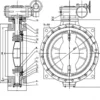
Double Eccentric Butterfly Valve
Price range: €310.28 through €9,475.00
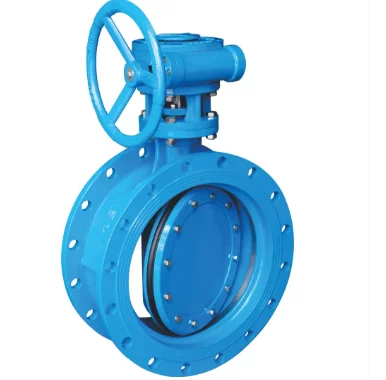
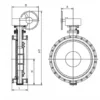
Double Offset Butterfly Valve
Price range: €144.00 through €2,950.00
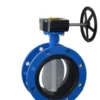
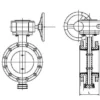
Flanged Butterfly Valve
Price range: €42.00 through €9,216.90
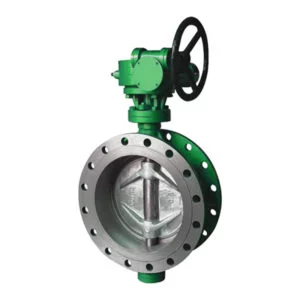
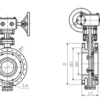
Flanged Triple Eccentric Butterfly Valve
Price range: €825.00 through €5,999.00
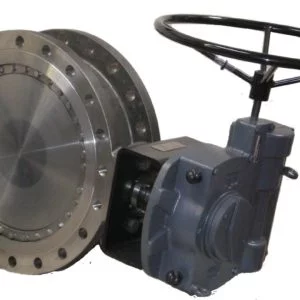
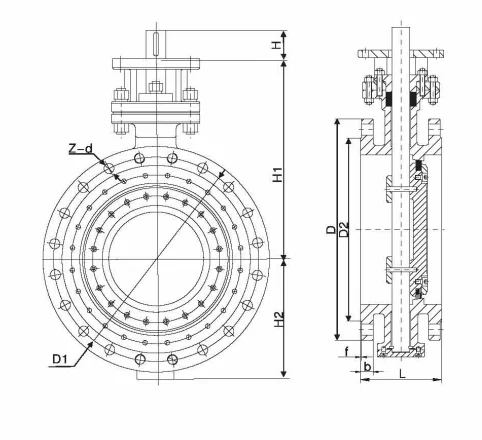
Flanged Triple Offset Butterfly Valve
Price range: €1,426.95 through €4,724.40
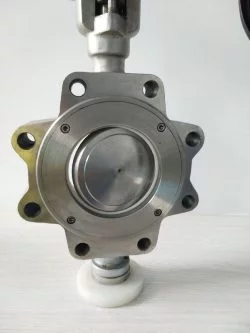
High Performance Lug Butterfly Valve
Price range: €232.81 through €732.10
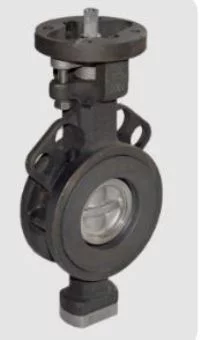
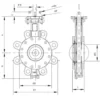
High Performance Wafer Butterfly Valve
Price range: €34.00 through €477.36
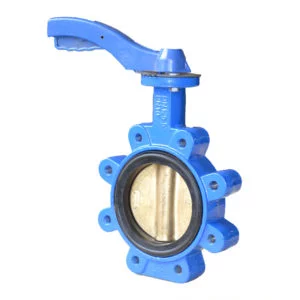
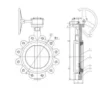
Lug Butterfly Valve
Price range: €18.00 through €6,461.00
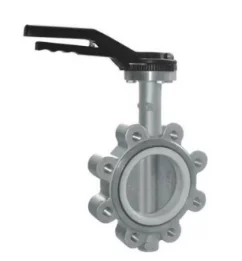
SS316L Lug Butterfly Valve
Price range: €202.70 through €308.00
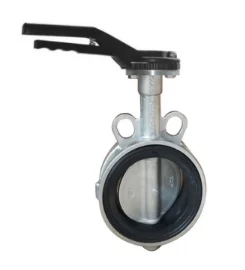
SS316L Wafer Butterfly Valve
Price range: €114.00 through €275.70
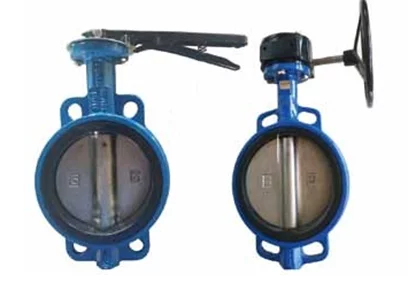
Wafer Butterfly Valve
Price range: €12.00 through €6,380.00